The global landscape for product packaging is undergoing its most radical transformation in decades. What was once viewed as a localized waste management issue or a voluntary corporate social responsibility (CSR) milestone has solidified into a complex, legally enforceable framework of global taxation.
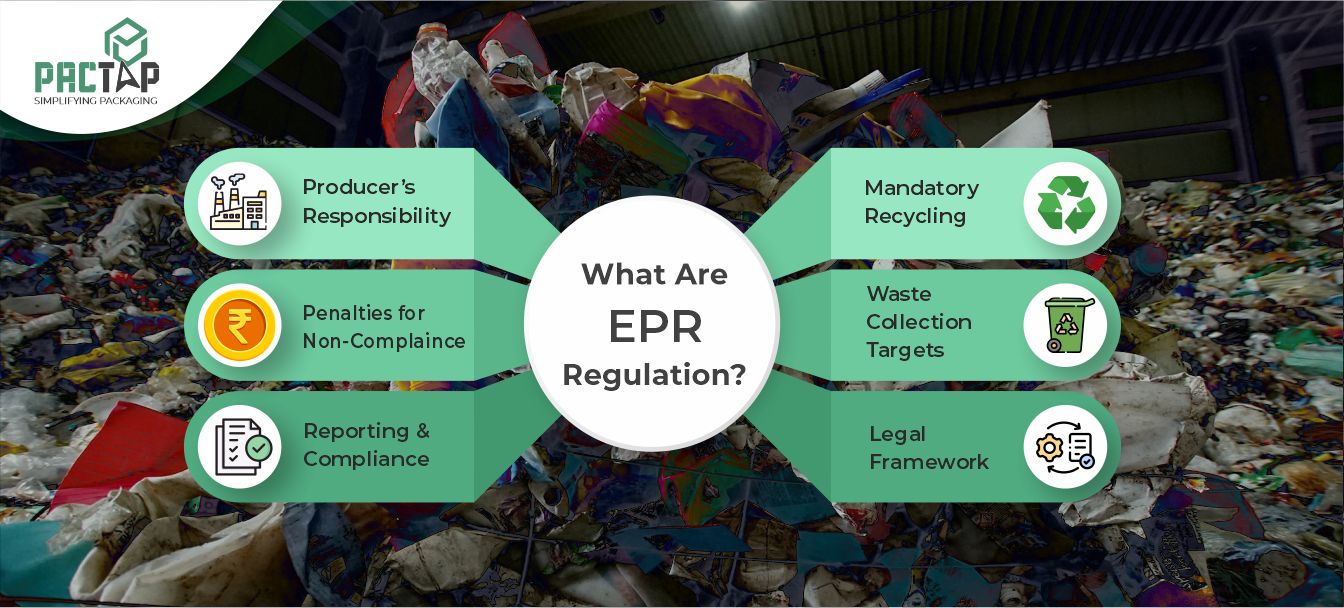
At the heart of this shift is Extended Producer Responsibility (EPR). Under modern EPR frameworks, governments are shifting the net financial burden of packaging waste management entirely from taxpayers to the “producers”—the brands, importers, and online marketplaces that introduce packaged goods into the market. Navigating these overlapping state, national, and continental packaging taxes has quickly become an executive-level operational priority.
Understanding the Shift: From Voluntary Recycling to Mandatory Legislation
For years, compliance with environmental targets relied heavily on green claims, voluntary packaging optimization, and fragmented regional recycling programs. However, escalating environmental pressures and crumbling waste management infrastructures have forced a regulatory pivot.
Governments are no longer just encouraging eco-friendly alternatives; they are penalizing structural waste through direct environmental taxation. This evolution is driven by three main operational factors:
- Financial Redirection: Forcing companies to fund 100% of the collection, sorting, and processing costs of household packaging waste.
- Granular Data Requirements: Shifting from annual estimates to strict, auditable, Stock Keeping Unit (SKU)-level reporting that details exact chemical compositions, material weights, and recyclability.
- Market Access Barriers: Inability to comply with new EPR registrations increasingly results in hefty administrative fines or outright blocks on selling products within specific jurisdictions.
The Core Concept: What Are Eco-Modulated Fees?
The defining feature of modern EPR frameworks is eco-modulation. Instead of assessing a flat
tax rate per ton of packaging material, regulatory bodies use a dynamic, impact-based fee scale to heavily influence product packaging design.
Eco-modulation typically operates on a standardized performance evaluation system:
| Packaging Rating | Material Characteristics | Financial Impact |
|---|---|---|
| Green | Highly, widely recyclable materials (e.g., mono-material cardboard, uncoloured PET). | Discounted Fees: Eligible for baseline rates or financial rebates. |
| Amber | Technically recyclable materials facing sorting or processing challenges (e.g., glass jars with non-removable caps). | Standard Fees: Baseline tax rates with no financial incentives. |
| Red | Hard-to-recycle, composite, or multi-layer materials that contaminate waste streams (e.g., flexible plastic pouches, non-separable multi-materials). | Surcharges: Substantial tax penalties designed to phase out production. |
Regional Breakdown: Navigating the Global EPR Landscape
EPR is evolving rapidly across different continents. To remain compliant, multinational brands must understand the distinct legislative timelines and structural demands of each key marketplace.
1. Europe: The Implementation of the PPWR
Europe remains the regulatory epicentre of environmental compliance. The comprehensive Packaging and Packaging Waste Regulation (PPWR) fundamentally standardizes requirements across all member states. According to the foundational timelines maintained on the European Commission Packaging Waste Overview, the formal entry into application for major PPWR provisions begins on August 12, 2026.
Key pillars of this European strategy include:
- Design for Recycling (DfR): Phased performance grading criteria ensure that all packaging placed on the EU market must be fully recyclable, moving toward strict “recycled at scale” mandates.
- Mandatory Recycled Content: Hard targets dictate that plastic e-commerce and retail packaging must hit minimum post-consumer recycled (PCR) thresholds.
- Strict Chemical and Format Restrictions: Enforceable bans restrict the use of forever chemicals like PFAS in food-contact packaging above defined thresholds, alongside bans on various single-use plastics.
- Authorized Representatives (AR): Cross-border businesses selling into Europe must often appoint local ARs within each individual member state to legally manage local compliance, data entry, and fee remittance.
2. United Kingdom: The pEPR and Plastic Packaging Tax Framework
The UK continues to tighten its domestic waste regulations through its industry-specific Packaging Extended Producer Responsibility (pEPR) framework.
As outlined in the official GOV.UK Guidance on Extended Producer Responsibility for Packaging, the system places a heavy administrative burden on “Large Producers” (companies exceeding £2M in turnover and handling over 50 tonnes of packaging per year). These organizations must submit granular packaging data every six months.
Furthermore, the pEPR system works alongside the established UK Plastic Packaging Tax (PPT). This tax levies a structural fine on any plastic packaging component containing less than 30% recycled content. Brands can track exact tariff adjustments and baseline liabilities via the GOV.UK Plastic Packaging Tax Portal, which documents the increased rate of £228.82 per tonne effective for the 2026 financial year.
3. North America: A Fragmented State-by-State Reality
Unlike Europe’s centralized approach, the United States is constructing a fragmented patchwork of state-level laws. This forces national brands to track vastly different reporting calendars and exemption limits.
- California (SB 54): This landmark law mandates a 25% reduction in single-use plastic packaging by weight and component count by 2032. Following formal regulatory approval by the Office of Administrative Law, producers face an immediate June 1, 2026 deadline to register via an approved compliance pathway. Full statutory details and exemption clauses can be reviewed directly on the CalRecycle SB 54 Portal.
- Truth in Labeling (SB 343): Beginning October 4, 2026, packaging that does not meet strict California-specific recyclability criteria will be legally prohibited from using the traditional “chasing arrows” recycling symbol.
- The PRO Framework: In most U.S. states, producers are legally required to register with a state-approved Producer Responsibility Organization (PRO). The Circular Action Alliance (CAA) manages these programs for California, Colorado, Oregon, and other early-adopter states. Producers can manage their onboarding and submit compliance data through the central Circular Action Alliance Website, which handles the multi-state annual data reporting deadline of May 31, 2026 for calendar year 2025 supply data.
4. Asia and the Middle East: Accelerating Transitions
Emerging markets are quickly mirroring Western EPR principles to combat domestic plastic pollution. For instance, Singapore continues to expand its aggressive electronic and packaging reporting mandates, while the UAE enforces strict regional single-use plastic bans to accelerate the transition toward certified compostable, bio-based alternatives like cornstarch and bagasse.
Who is Obligated? Assessing Your Brand’s Exposure
A common point of confusion for expanding companies is identifying exactly who pays the packaging tax. It is a common misconception that compliance obligations fall solely on the raw material manufacturer.
Under global EPR statutes, the compliance framework identifies the “Producer” based on a strict hierarchy:

Exemption thresholds do exist to protect micro-enterprises, but these parameters vary wildly by geography. While one jurisdiction might exempt a brand based on a global revenue threshold, another may trigger mandatory registration if the company ships just a few hundred pounds of total packaging weight into their specific region. Obligations are defined by where the product is consumed and discarded, not where the corporate headquarters reside.
How to Build a Resilient EPR Compliance Strategy
Reacting to packaging taxes on a case-by-case basis is a recipe for costly operational bottlenecks and compounding financial penalties. Organizations must transition to a proactive, standardized internal compliance system.
Audit and Map Your Packaging Portfolio
You cannot manage what you do not measure. Companies must conduct a comprehensive packaging material audit down to the component level (e.g., primary boxes, external shrink wrap, adhesives, inserts, and shipping labels).
Document the precise material compositions, baseline weights, and verified recycled content percentages for every SKU in circulation. Map these metrics directly against your regional sales distribution data to calculate your precise geographical tax exposure.
Redesign for Financial Optimization
Because eco-modulated fee structures directly penalize structural complexity, optimization is no longer just a design preference—it is a financial necessity.
- Eliminate Mixed Materials: Replace complex multi-material items (like plastic-lined paper mailers) with easily recyclable mono-materials (like 100% corrugated cardboard).
- Prioritize Light-weighting: Because EPR taxes are fundamentally calculated by total weight, minimizing unnecessary structural volume and reducing empty space margins below regulatory caps can directly slash seasonal tax overhead.
- Incorporate Certified PCR Content: Sourcing verified post-consumer recycled polymers drastically reduces vulnerability to structural penalties like the UK and European plastic taxes.
Implement Centralized Compliance Data Systems
Relying on manual spreadsheets to manage regional tax submissions across varying state and international PROs is inefficient. Modern compliance demands automated enterprise software solutions.
Invest in unified digital compliance platforms capable of ingesting supplier material data sheets, tracking global regulatory shifts in real time, calculating forecasted fee liabilities, and formatting automated data declarations according to individual regional requirements.
The Lowest-Risk Path is the Most Sustainable One
The global rollout of Extended Producer Responsibility signals a permanent paradigm shift in corporate environmental accountability. Packaging can no longer be treated as an afterthought or a disposable marketing vehicle; it must be approached as a highly regulated financial liability.
While navigating these overlapping, data-intensive global packaging taxes presents an undeniable administrative challenge, it also offers an undeniable competitive advantage.
Brands that move swiftly to audit their supply chains, implement centralized compliance platforms, and aggressively redesign packaging for true circularity will effectively insulate themselves from mounting tax liabilities. In this new global regulatory environment, the lowest-risk operational path is undeniably the most sustainable one.