In 2026, the pharmaceutical industry is no longer just about the chemistry inside the bottle; it is about the intelligence, sustainability, and transparency of the bottle itself. We have entered a “perfect storm” of regulatory deadlines where the Drug Supply Chain Security Act (DSCSA) in the US, the Packaging and Packaging Waste Regulation (PPWR) in the EU, and global E-labeling mandates are converging.
For manufacturers and stakeholders, staying compliant in 2026 requires more than a checklist—it requires a digital-first, eco-conscious overhaul of the entire packaging lifecycle.
The Global Shift: Digital Traceability and Interoperability
The year 2026 marks the full maturation of “track-and-trace” systems. Regulatory bodies are moving away from simple batch tracking toward unit-level serialization.
The US Landscape: DSCSA Final Deadlines
While the initial DSCSA mandates began years ago, 2026 is critical for small dispensers (pharmacies with 25 or fewer pharmacists).
- The November 2026 Deadline: Small dispensers who received exemptions must finally be fully operational with electronic, interoperable systems to track and trace prescription drugs at the package level.
- The Goal: To prevent counterfeit, stolen, or contaminated drugs from entering the supply chain by ensuring every bottle has a unique “birth certificate” in the form of serialized data.
The EU Response: Falsified Medicines Directive (FMD) Evolution
The EU continues to tighten its FMD protocols. By 2026, the focus has shifted toward real-time reporting and the integration of the Digital Product Passport (DPP).
- Enhanced Reporting: Manufacturers must now report suspected falsifications to the EMA within 24 hours. They must also use standardized digital templates.End-to-End Verification: Repository systems are upgrading their capacity to handle larger data volumes. This upgrade supports the growing use of biological and personalized medicines.
The Sustainability Revolution: EU PPWR 2026
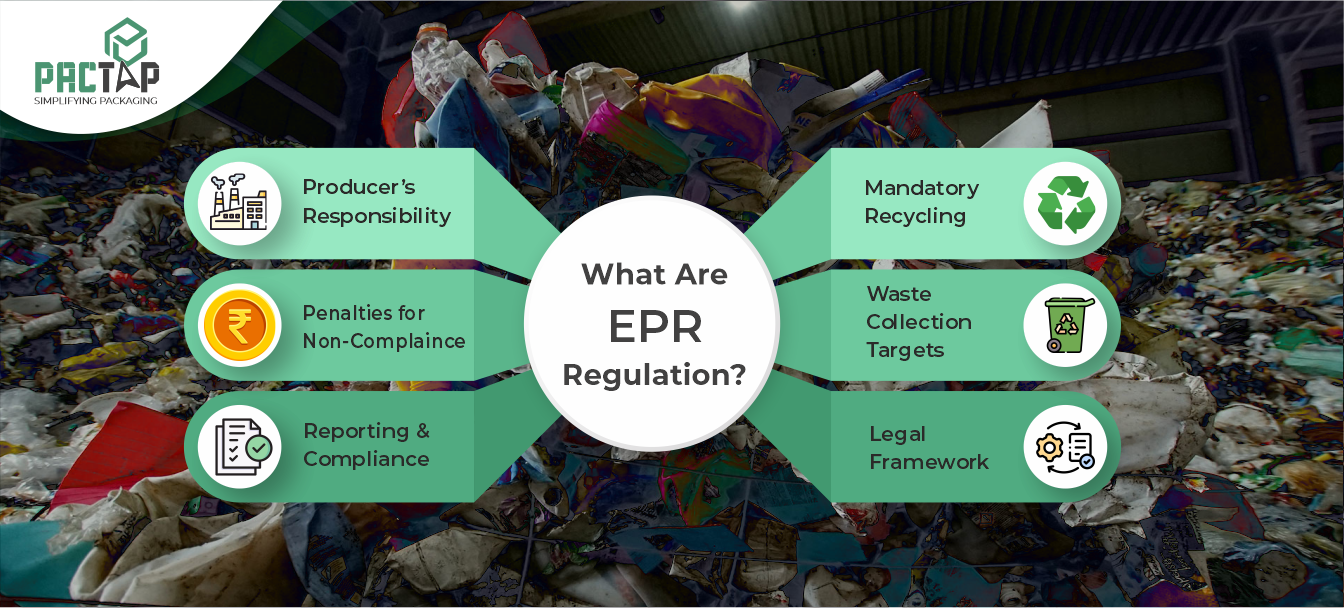
Perhaps the most disruptive change in 2026 is the Packaging and Packaging Waste Regulation (PPWR), which became legally binding for most provisions on August 12, 2026.
Key Requirements for Pharma Packaging
The PPWR introduces strict mandates that override previous national laws within the EU:
- Mandatory Recyclability: By August 2026, all packaging must meet recyclability requirements. However, safety-related exemptions may apply to immediate packaging, such as blister packs. Secondary and tertiary packaging must also follow strict eco-design criteria.
- Packaging Minimization: The “space” rule limits packaging to the minimum volume needed to protect the product. As a result, regulators are scrutinizing excess filler materials, including paper and polystyrene, to reduce waste.
- Substance Restrictions: New limits on heavy metals, including lead, cadmium, and mercury, as well as PFAS (per- and polyfluoroalkyl substances), aim to protect patients and the environment. Regulators are enforcing these limits in packaging materials.
Important Note: In 2026, the average cost of a single compliance violation has risen to approximately $14.8 million, making sustainability not just an ethical choice but a financial imperative.
Smart Packaging and the Rise of E-Labeling
The “paperless” pharmacy is closer than ever. In 2026, global regulators in Japan, Singapore, Brazil, and the EU have standardized Electronic Labeling (E-labeling).
Transitioning to QR Codes and NFC
- Dynamic Content: Instead of 10-page folded paper inserts, packaging now features QR codes or NFC chips. These link to real-time, multilingual digital leaflets that can be updated instantly if a new side effect is discovered.
- Patient Adherence: Smart packaging in 2026 often includes sensors that track when a bottle is opened, sending data to a patient’s smartphone to ensure they are following their regimen.
- Tactile and Inclusive Design: New standards require packaging to be more inclusive, incorporating Braille and tactile features alongside digital tools to assist visually impaired patients.
Quality Management: The ISO 15378:2026 Standard
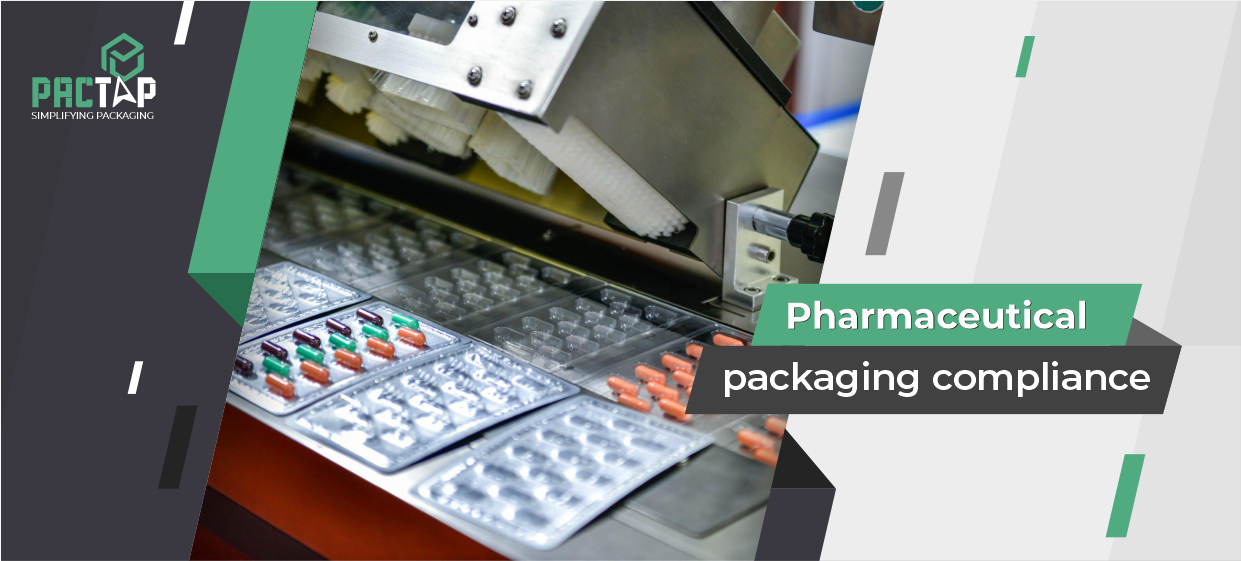
To manage these complex changes, the ISO 15378 standard—which integrates Good Manufacturing Practices (GMP) with Quality Management—remains the gold standard.
Focus Areas for 2026 Audits
- Batch Traceability: Auditors are looking for seamless digital links between raw material suppliers and finished packaging.
- Risk Management: Companies must demonstrate “Change Control” protocols that account for how new sustainable materials (like mono-layer plastics) affect the shelf-life and stability of the drug.
- Environmental Control: Manufacturing sites are now audited on their carbon footprint and waste management systems as part of their overall compliance score.
Comparison of Regional Requirements (2026)
| Feature | United States (DSCSA) | European Union (PPWR/FMD) | Asia-Pacific (Varies) |
|---|---|---|---|
| Primary Focus | Anti-counterfeiting & Traceability | Sustainability & Circular Economy | E-labeling & Digital Growth |
| Key 2026 Deadline | Nov 27 (Small Dispensers) | Aug 12 (Recyclability/Waste) | Ongoing Digital Integration |
| Serialization | Unit-level mandatory | Unit-level mandatory | Phased implementation |
| Sustainable Material | Encouraged (ESG goals) | Mandatory (Article 6) | Growing adoption |
Conclusion: Adapting to a Transparent Future
The 2026 regulatory landscape for pharmaceutical packaging is defined by two words: Digital and Green. The transition from “dumb” packaging to “connected” packaging is no longer a luxury for top-tier firms; it is a baseline requirement for market entry.
By 2026, 78% of pharmaceutical companies have adopted automation to manage these compliance workloads. Those who fail to integrate their Quality Management Systems with their sustainability goals risk not only heavy fines but also the loss of consumer trust in an increasingly transparent world.